Cuba's Private Restaurants
What Is a Paladar?
A paladar is a privately owned restaurant in Cuba - a concept that sounds utterly unremarkable until you understand what it took for one to exist. Cuba's socialist economy kept restaurants state-run for decades. Private food businesses were illegal, or barely tolerated, or hedged in by rules that made them almost impossible to run profitably. Then came Cuba's Special Period - the economic crisis of the early 1990s, triggered by the collapse of the Soviet Union - and everything changed.
Cubans, desperate to survive, started feeding people. Small family operations, cooking what they could source, serving meals out of their living rooms. The government, equally desperate, eventually legalized it. The name "paladar" came from a Brazilian telenovela that was popular in Cuba at the time - the character Vale do Rio Doce, who opened a restaurant, gave Cubans a word for this new thing they were doing.
Three decades later, the paladar has evolved beyond recognition. Some are simple family operations, the same table in the same kitchen. Others are Michelin-tier dining experiences in beautifully restored colonial mansions. All of them represent the same fundamental thing: private enterprise, personal creativity, and Cuban cooking on its own terms.
The Paladar vs. The State Restaurant
Cuba also has state-run restaurants - official, sometimes elegant, often unreliable. The food at state restaurants ranges from adequate to genuinely good, but they lack the personal investment of a paladar. At a paladar, the owner's reputation is on the line with every plate. The ingredients were sourced that morning. The recipe came from someone's grandmother. That pressure produces better food, nearly every time.
The Best of Havana
10 Paladares Worth Your Table
If there is one paladar that every serious visitor to Havana must experience, it is La Guarida. Set in a magnificent, deliberately un-restored three-story mansion in Centro Habana, the restaurant gained international fame when it appeared as the setting of the Cuban film Fresa y Chocolate (Strawberries and Chocolate) in 1994. The crumbling grandeur of the building - the peeling frescoes, the broken tiles, the staircase that feels like it belongs in a Gabriel García Márquez novel - is entirely intentional. The rooftop terrace offers one of the best views in Havana.
The food matches the setting: classical Cuban dishes executed with genuine skill and some contemporary creativity. The kitchen takes ropa vieja seriously, the lobster is consistently excellent, and the cocktails arrive in proper glassware. La Guarida has hosted celebrities, diplomats, and heads of state - none of which has made it precious or cold. It remains a remarkably human place to eat. To master the dishes these kitchens serve, explore our guide to the best Cuban dishes to order.
The name means "the one across the street" - a casual, conspiratorial name that suits the vibe perfectly. El del Frente occupies a rooftop terrace in Old Havana, with views of the tiled rooftops and distant sea that make every meal feel slightly cinematic. The cooking is creative Cuban - traditional flavors presented with genuine imagination. The cocktail program is one of the strongest in Havana; the bartenders here understand what they're doing. Come for sunset drinks and stay for dinner, or just come for drinks and let the view justify the visit.
In March 2016, Barack Obama became the first sitting U.S. president to visit Cuba in 88 years - and he chose San Cristóbal for dinner. The photograph of Obama and Michelle at a table in this art-filled Vedado paladar went around the world, and the restaurant has been packed ever since. Which is genuinely deserved: San Cristóbal serves some of the finest traditional Cuban cooking in Havana, in a dining room crammed with vintage photographs, religious icons, colonial furniture, and enough visual detail to occupy you between courses. The lamb, when available, is remarkable. The ropa vieja is serious. The waitstaff, who have been doing this since before the Obama bump, remain utterly professional.
Take the elevator to the top floor of a crumbling Vedado apartment building and step into one of Havana's most sophisticated dining experiences. Café Laurent occupies a penthouse terrace with panoramic city views and an interior that manages to feel genuinely elegant without being fussy. The menu leans toward seafood - the grilled lobster is the dish to order, and the kitchen handles it with the care it deserves. The cocktail list is thoughtful, the service is polished, and the atmosphere on a warm Havana evening, with the city spread out below you, is as good as dining gets on this island.
No reservations. No fuss. No decor meant to impress foreign food writers. Doña Eutimia is a tiny Old Havana paladar that takes up what appears to be the front room of someone's house, because that's exactly what it is. The menu is short and changes with what's available. The portions are enormous. The ropa vieja here - slow-braised shredded beef with tomato, peppers, and onions in a sofrito that tastes like someone's grandmother developed it over fifty years - is among the best in Havana. The line to get in is also among the longest. Get there early, or be prepared to wait. It's completely worth it.
Atelier operates out of the ground floor of a family home in Vedado, every wall covered in Cuban art - paintings, photographs, mixed-media pieces, all for sale. The dining room spills into a courtyard garden in the back. The cooking is contemporary Cuban: traditional ingredients and flavors pushed in new directions by a kitchen that is clearly thinking about what it serves. The lamb chops with guava glaze are a signature. The cocktails lean into local spirits. Atelier feels like the paladar as creative project - the restaurant as personal expression of a family's taste in food and art.
The most fun paladar on this list, and intentionally so. La Chuchería serves Cuban food with a sense of humor - ropa vieja sliders, plantain croquettes stuffed with cheese, Daiquiri variations that go places you didn't expect. The crowd is young, the music is loud (in a good way), and the kitchen takes fusion more seriously than the casual vibe suggests. For visitors who want to eat Cuban food without the formality of a white tablecloth experience, La Chuchería is the move. The cocktail list is genuinely creative and the bartenders are enthusiastic about explaining it.
Built inside the converted chimney stack of a former peanut oil factory in Vedado, El Cocinero is one of Havana's most dramatic dining settings. The industrial aesthetic - exposed concrete, raw steel, the original chimney rising above the rooftop terrace - has been deployed with genuine design intelligence rather than cargo-cult hipsterism. The rooftop offers wide views of the city. The kitchen serves a menu of Cuban and international food that is reliably good without being exceptional. The real draw is the setting and the atmosphere, which is consistently excellent. El Cocinero connects to La Fábrica de Arte Cubano next door - the city's most interesting arts and nightlife venue.
On Havana's famous Malecón waterfront, with sea views that remind you exactly where you are, Habanera focuses on what makes sense given its location: fresh seafood, simply and expertly prepared. The shrimp in garlic butter is the benchmark dish - it sounds basic and it is, in the very best sense of the word. The location means breezes off the water even in summer's worst heat, and the view of the sea at sunset is genuinely beautiful. Less formal than some on this list, more about the food and the view than the design statement.
A beautifully restored colonial house on Calle Mercaderes in Old Havana, with a central courtyard where dinner is served under the open sky. Los Mercaderes serves a classic Cuban menu - traditional dishes executed with care, without the fusion flourishes or the design-magazine self-consciousness of some Havana paladares. The picadillo a la criolla, the chicken in orange-garlic sauce, the black bean soup - these are dishes that have been on Cuban tables for generations, made well by a kitchen that respects the tradition. The courtyard setting is genuinely lovely, especially on a warm night.
Practical Guide
How to Find a Paladar in Havana
The famous paladares will find you - their names appear on every travel blog and in every guidebook. But part of the pleasure of Havana's dining scene is stumbling onto something that hasn't been written up yet. Here's how to find them.
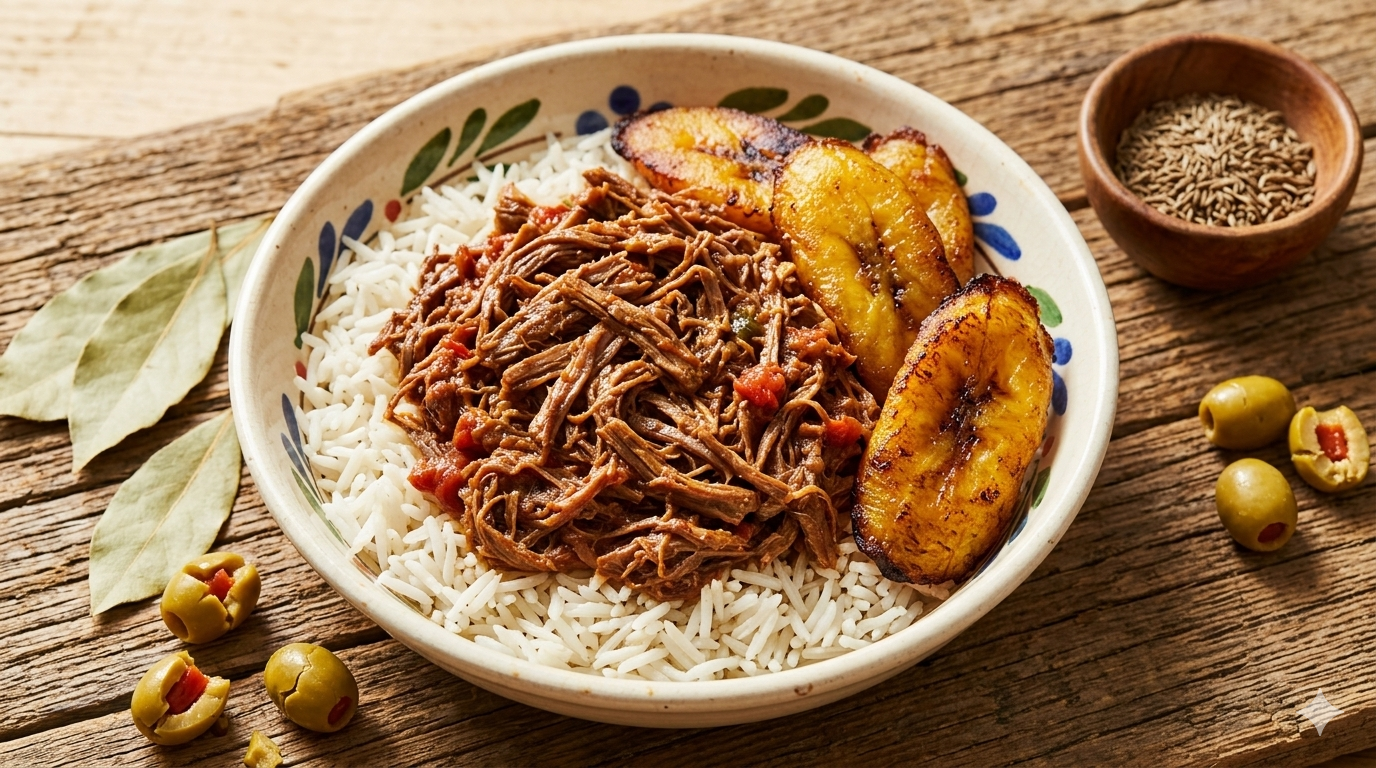
The Cuban paladar at its best: simple food, serious technique, honest ingredients.
The paladar boom has created a second tier of smaller, neighborhood operations that don't appear in international guides. Ask a Cuban where they eat - not where they send tourists - and you'll find food that's often better than anything in a guidebook, at a quarter of the price. Before your trip, see our Cuba budget travel guide to stretch your dining budget further.